This story reveals Kenya's unmanaged mental health crisis costs the economy KSh 62.2 billion annually, or 0.6% of GDP, due to lost productivity and medical expenses. Through personal narratives of severe depression and community stigma, the report highlights a systemic failure, where the government allocates only 0.9% of the health budget to treat a condition affecting one in four outpatient visitors.
Fresh out of university in 2007, Muchiri Karanja stepped straight into his dream job as a reporetr with The Daily Metro, then a publication of Nation Media Group.
He was a rookie journalist, he nursed big dreams, working alongside the some oof the country's most respected reporters he grew up watching and listening to. A decade later, however, the career he loved began to unravel under the weight of unrelenting psychological pressure.
He is not alone. Across the country, millions of workers spanning various professions and cadres report to their workplaces every morning carrying heavy, invisible burdens: chronic stress, severe anxiety, trauma, and depression. What begins as a simple quest to earn a living all too often becomes a dangerous trigger for a complete mental breakdown.
Within this quiet crisis, journalists occupy a fragile, dual position. They must navigate intimate, daily contact with human suffering, structural violence, and tragedy while carrying the immense responsibility of keeping the public informed. Yet, corporate newsrooms historically expected these reporters to remain entirely objective and composed.
Muchiri, who now writes for the Media Observer and serves as a columnist for the Standard newspaper, remembers vividly how the career he cherished took a heavy toll on him.
"You're dealing with a journalist who in the morning is sent to cover a story where political goons have attacked someone," Muchiri recalled with nostalgia. “In the evening, he or she is covering domestic violence, and the next morning they're sent to cover a murder. The media is an incredibly stressful profession. Journalists live with constant anxiety, pressure, and tight deadlines while repeatedly witnessing deeply traumatic events.”
Muchiri silently absorbed the emotional wreckage of the national tragedies he covered, hiding his pain behind his bylines each passing day. Eventually, the pressure became too heavy to bear.
"I resorted to drinking heavily and fell into severe depression," Muchiri confides. He didn't have an idea he was suffering from depression - until " I finally hit a wall and decided to seek help. I checked myself into a hospital because I hated the way I was living. I didn't like my drinking habits, and I hated the fact that I was living like there was no tomorrow."
A medical diagnosis saved his life.
“When the doctors officially diagnosed me with depression, everything about my behavior finally started making sense.”
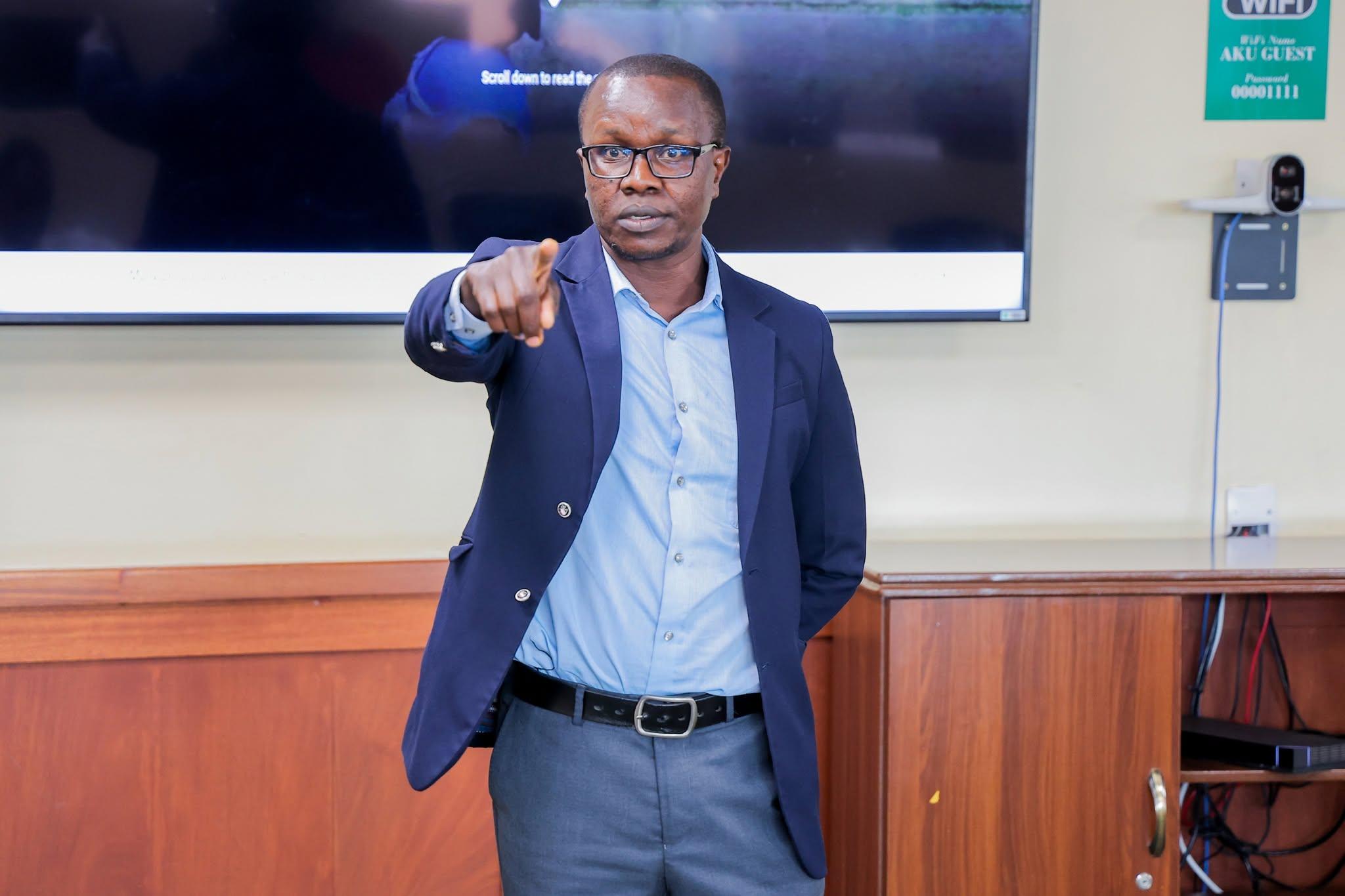
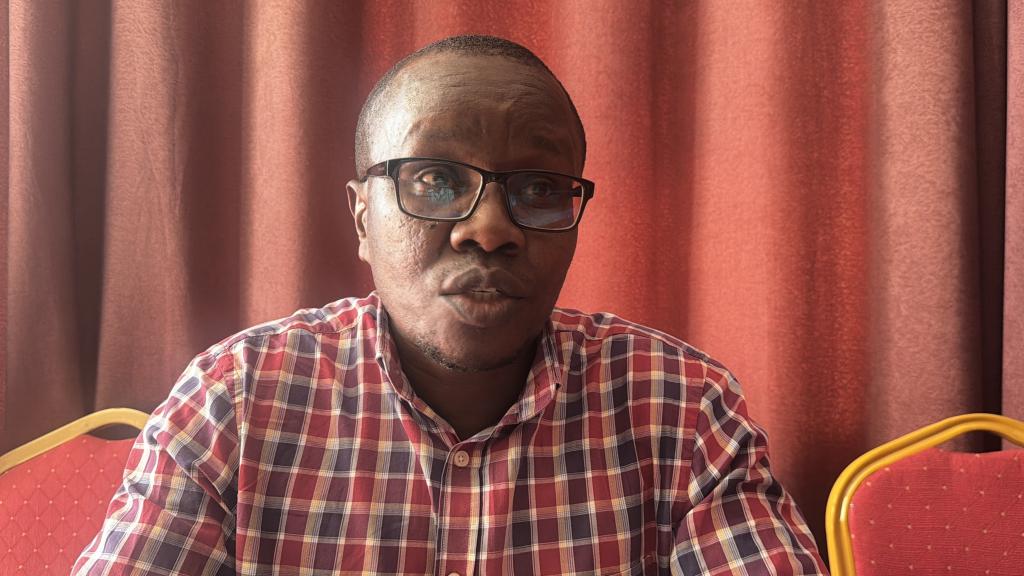
Muchiri Karanja shares his lived experiences with journalists during a media training session aimed at breaking the silence on mental illness.
Rather than hiding his struggle, Muchiri turned his story into a lesson for others. Today, as a mental health advocate, he traverses the country sharing his experiences. The journalist urges media professionals to accept the fact that it is okay not to be okay before reaching a breaking point.
Muchiri says mental illness is a disorder that attacks people indiscriminately
Media ethics experts argue that journalists face a distinct occupational hazard known as secondary trauma. Much like a construction worker faces physical risks from falling debris, a reporter faces psychological risks from repeated, raw exposure to human suffering.
They indicated that some media houses fail to provide psychological support such as counseling, debriefing sessions, and manageable workloads and expose their staff to unnecessary harm. The crisis is not an inevitable consequence of journalism itself, but rather a direct result of institutional neglect within high-stress workplaces according to experts.
Data from Kenya's Ministry of Health reveals that one in every four people seeking outpatient medical services in Kenyan hospitals is living with a mental health condition. This makes psychological illness one of the country's most widespread health concerns, cutting across corporate executives, manual laborers, and students alike.
The landmark 2020 Presidential Taskforce Report on Mental Health confirmed that these disorders account for roughly 13 percent of Kenya's entire disease burden. Beyond the immense human suffering, this untreated epidemic breaks the national economy.
According to the official Mental Health Investment Case, a collaborative study conducted by the Kenyan Ministry of Health (MoH) in partnership with three United Nations agencies, including the World Health Organization (WHO), the total estimated economic burden on the Kenyan economy stands at KES 62.2 billion (US$571.8 million). This represents an equivalent loss of 0.6% of the national GDP.
Lost productivity due to premature mortality, absenteeism (missing work entirely), and presenteeism (sitting at a desk but being too psychologically paralyzed to perform) accounted for the single largest share of this annual cost, totaling KES 56.6 billion. Meanwhile, actual medical and healthcare expenditure accounted for KES 5.5 billion.
Yet, despite this massive financial and human toll, the state's response is a drop in the ocean.
While the WHO explicitly states that nations should allocate 5 -10 percent of their total health budget to mental healthcare, Kenya funds its mental health infrastructure at a measly 0.9 percent. This massive budget deficit means that healthcare facilities are consistently starved of resources, medication remains unaffordable, and professional psychiatric care is out of reach for the common citizen.
When early distress is ignored by employers and starved of state funds, the trajectory of a young life can shatter permanently.
This is the painful reality in many parts of the country like in Munzeywe village, on the rural outskirts of Kakamega town where Pauline Amudavi lives in a quiet world, managing bipolar mood disorder.
Like Muchiri, Pauline once dreamed of telling Kenya's stories to the world. In 2007, the exact same year Muchiri was navigating his first assignments, Pauline was an ambitious, first-year journalism student at the University of Nairobi (UoN), unfortunately, before her career could take off, a sudden, violent psychological storm broke her world.
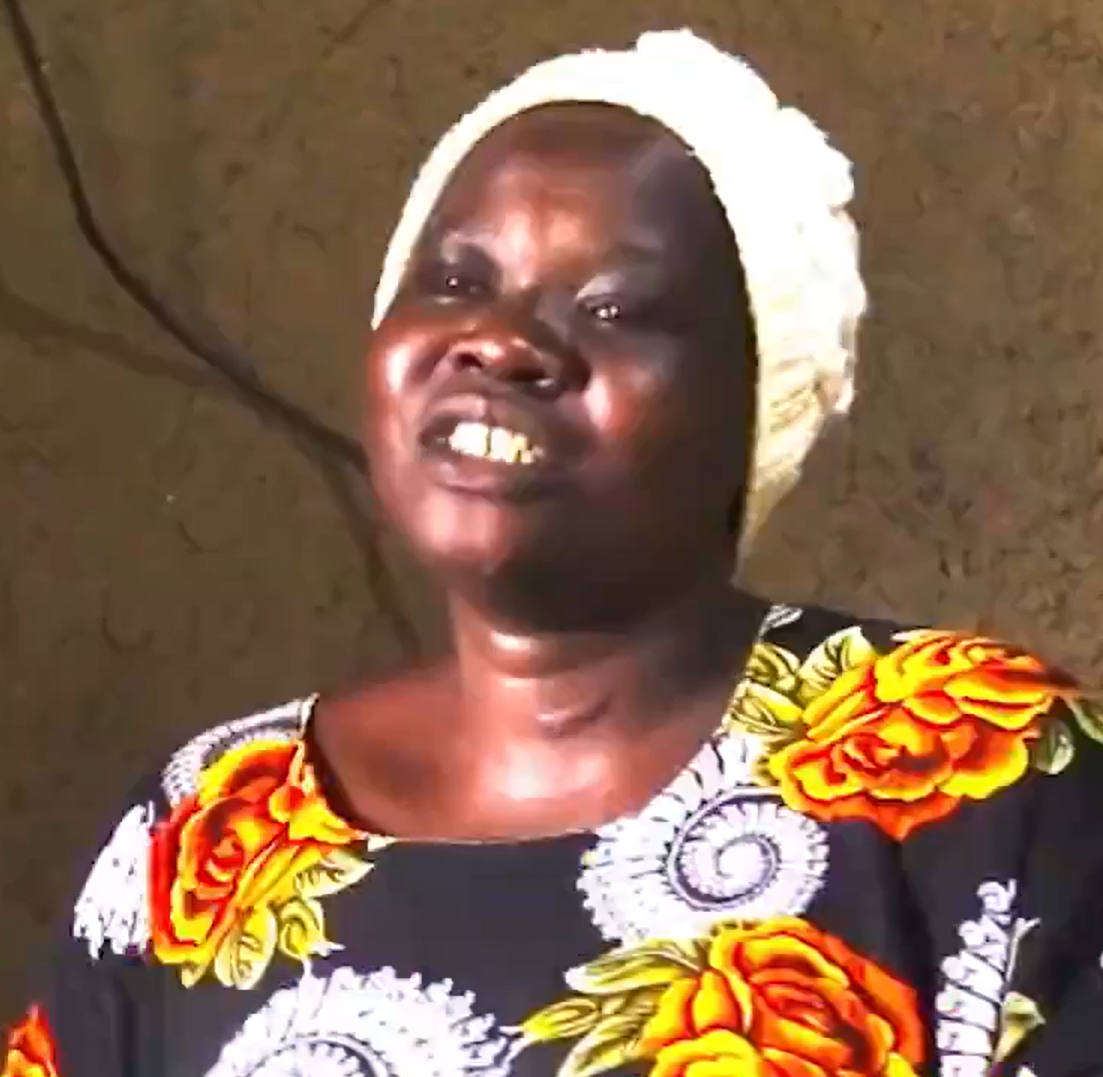
Pauline Amudavi at her home in Munzeywe village, Kakamega, where she manages bipolar mood disorder while fighting community stigma.
"I remember I was in Nairobi somewhere along Tom Mboya Street," Pauline recalls, looking back at her first severe manic episode. "The next thing I remember was waking up inside Mathare Mental Hospital. I was injected, laid flat on the bare floor, and later the nurses told me I had been unconscious for two days."
Her illness is not genetic, it was severe, unmanaged depression that caused it according to a doctor who attended to her.
"I have endured over 20 hospital admissions ever since I first got ill," Pauline disclosed.
While she has learned to balance the erratic highs and lows of bipolar disorder, surviving the illness has also meant surviving the brutal stigma of her community.
During her worst relapses, she completely lost touch with reality, once even assaulting her own mother in a state of confusion. Instead of recognizing a profound medical emergency, neighbors mocked her, cruelly labeling her as "Omulalu wa Ambenje" (the lunatic of Ambenje—her late father).
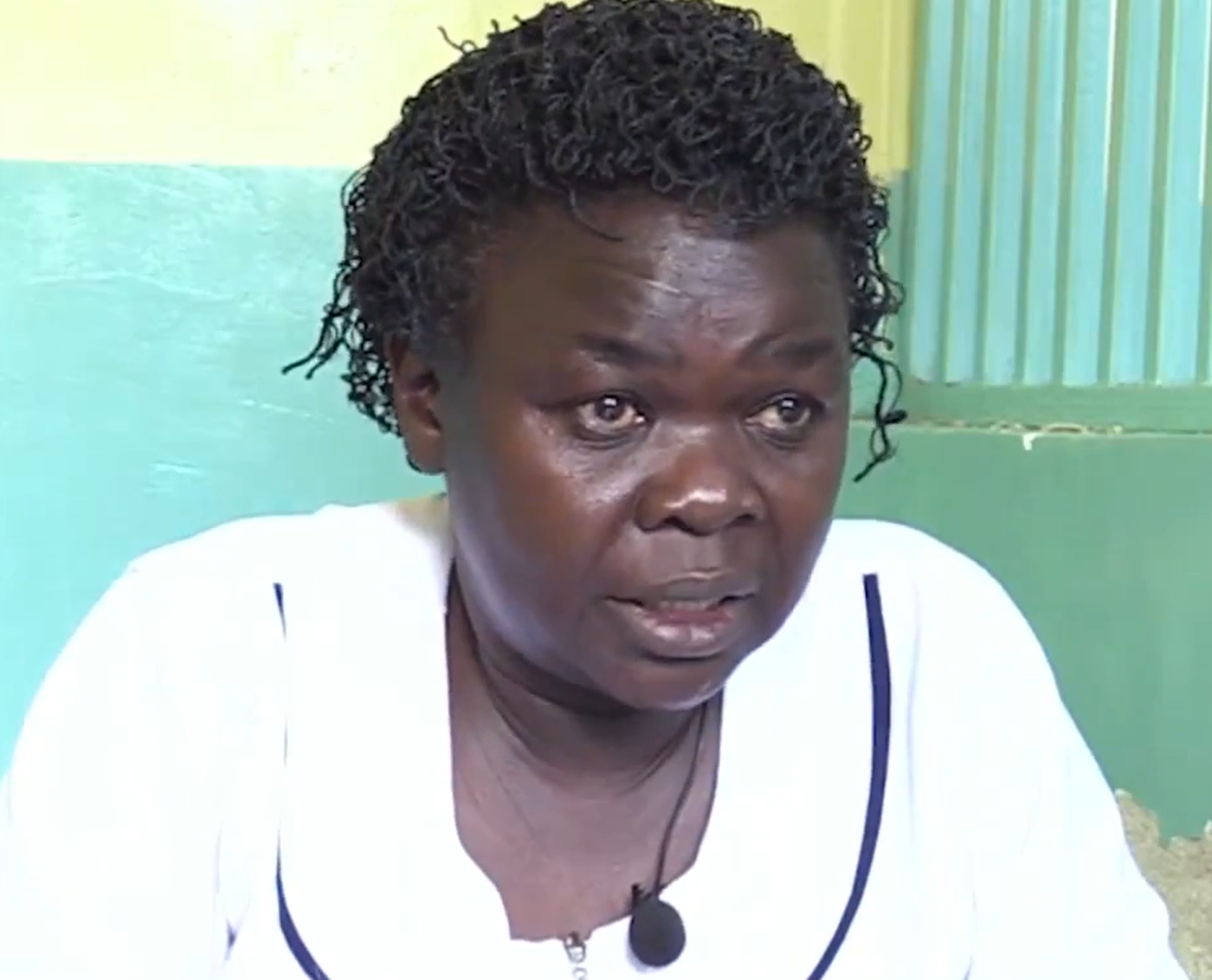
Deputy Nurse-in-Charge Catherine Ondele during an interview with Shahidi Digital inside Ward 9 at the Kakamega County Referral Hospital.
Catherine Ondele, the Deputy Nurse-in-Charge of Ward 9 at the Kakamega Referral Hospital, reveals that many families almost always exhaust expensive, superstitious avenues before trusting modern medicine.
"Before patients finally arrive here, many have gone to traditional healers (waganga), sought prayers in various churches, or resorted to traditional herbal medicines," Nurse Ondele explains adding that professional treatment becomes an absolute last resort when everything else has completely failed, and the family exhausted."
Public health specialist Dr. Leon Ogoti warns that underfunding has turned mental health care into a privilege rather than a basic right.
"We are dealing with a silent pandemic. The math does not add up, you cannot treat a crisis that affects a quarter of your outpatient population with less than one percent of your national health budget."
While patients like Pauline face exclusion, corporate workers face discrimination from employers who still view mental health relapses as performance failures, laziness, or quick grounds for dismissal.
Section 5 of the Employment Act of 2007 explicitly classifies severe mental health conditions as disabilities, strictly prohibiting workplace discrimination. Legally, employers bear a strict duty to provide "reasonable accommodation."
The law demands that before any termination process can be legally started on medical grounds, an organization must prove it followed a highly supportive, legally mandated path.
Recognizing the existing gap in the industry, Media Council of Kenya (MCK), partnering with advocacy groups like BasicNeeds Rights Kenya, has rolled out targeted training to arm journalists with coping tools and improve how mental health is covered in the news.
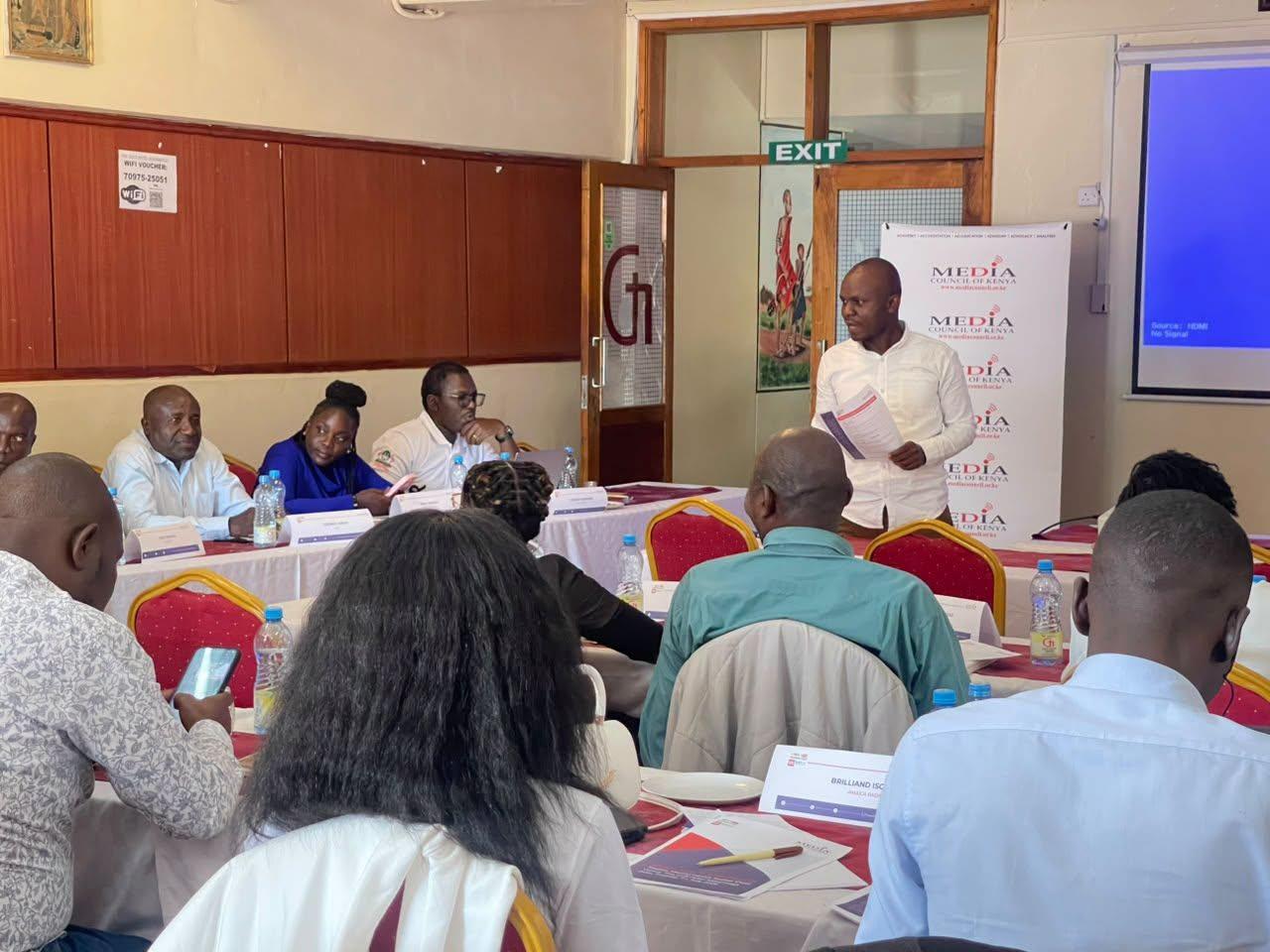
Media Council of Kenya Kisumu Regional Coordinator Teddy Evans addresses participants during a training session in Kakamega
Teddy Evans from MCK says, journalists occupy a unique position because they are both vulnerable to mental health challenges and responsible for informing the public about them.
"Journalists play a critical role in educating society about mental wellness, we are training them on mental wellness to equip them adequately with requisite skills and knowledge," said the official.
Evans says the path to wellness begins with individual vulnerability.
"We want journalists to know that support is available. But that can only happen if they accept there is a problem and are willing to seek assistance. As the Media Council, we want to connect them to the right support systems."
He delved into structural roots of the crisis, challenging media owners to audit their operations.
"Media owners need to investigate what is triggering mental health challenges among journalists. Whether it is poor pay, heavy workloads, repeated exposure to traumatic events or the work environment itself, those issues must be addressed."
The initiative comes hot on heels of psychological toll of covering disasters, violence, and elections for journalists.
Rebecca Mutiso, MCK's Manager for Press Freedom and Advocacy, agrees that media leaders have a direct responsibility to change the industry's culture.
"For a long time, discussions around mental health have focused only on the negative, a bias that has discouraged many people from seeking treatment. Some would rather hide their condition than seek the care they deserve," she notes.
Ms Mutiso observes that untreated trauma corrupts both professional performance and personal spaces.
“If journalists witness traumatic events and do not seek help, it affects their reporting, their productivity and even their families. They transfer that trauma home, where they should provide peace and love.”
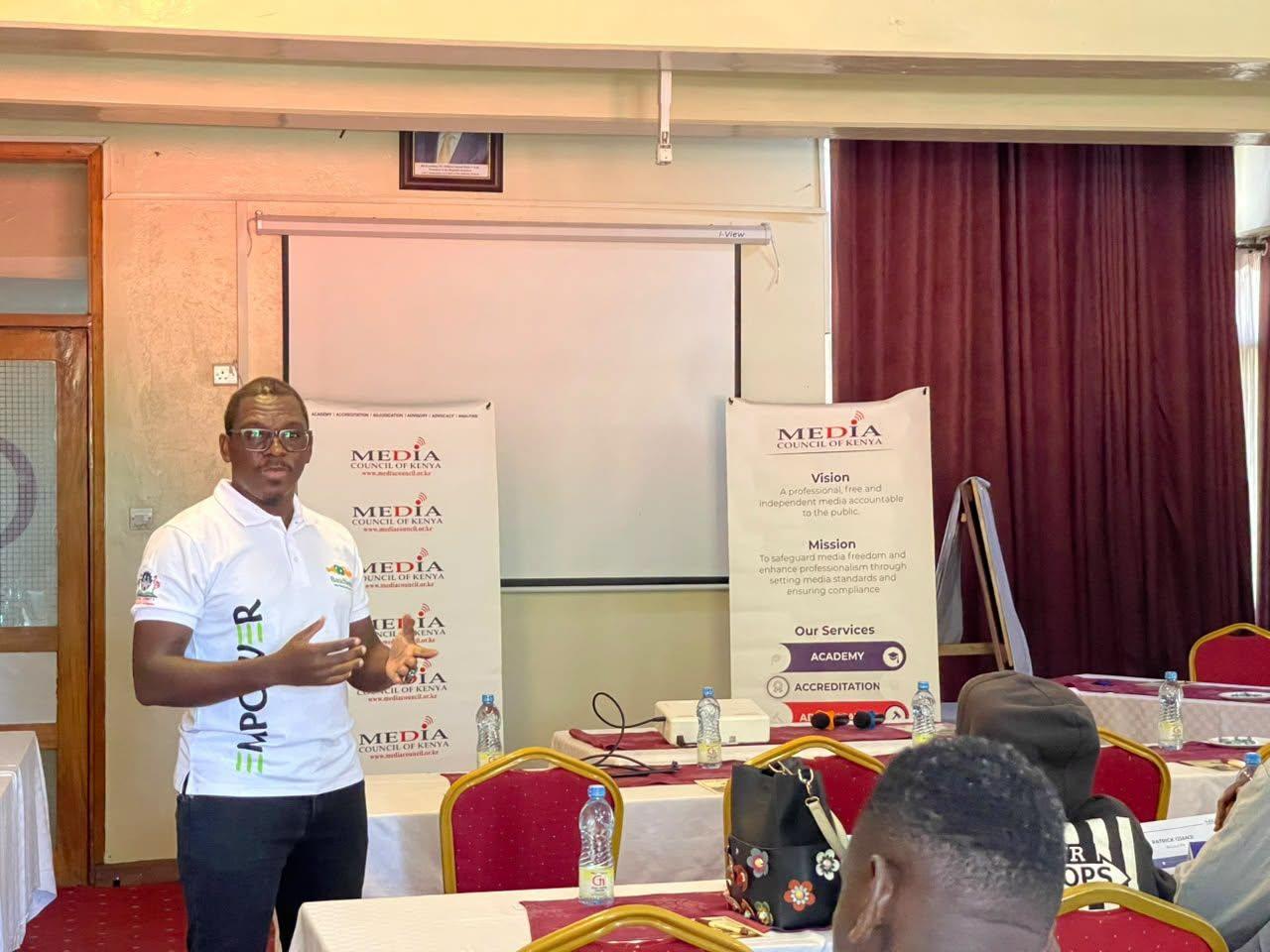
Eugene Wanekeya, the Communications and Advocacy Officer at Basic Needs Basic Rights Kenya , addresses journalists during a mental health reporting workshop.
Mental health advocate and communication and advocacy officer at BasicNeeds Kenya Eugene Wanekeya emphasizes that protecting employees' wellbeing should transcend industry conversations and become a binding workplace priority across all sectors.
"Mental health is directly linked to employee productivity," Wanekeya says. “Media owners need to familiarise themselves with workplace mental health policies and create environments that support the wellbeing of their employees.”
The need for structural change becomes incredibly urgent during seasons of acute political and financial stress.
"People need to know how to cope with such stressors. We hope mental health becomes a part of the national conversation not only politics. People need information on how to recognize stress, where to seek help, and how to cope with difficult situations," Wanekeya noted.
As Kenya enters another politically charged period, stakeholders warn that economic uncertainty, financial strain, and political tension will inevitably heighten domestic distress. Wanekeya points out that the true long-term solution relies on relentless policy advocacy.
Wanekeya insists that the current funding for mental health falls drastically short of what is required to tackle the country’s escalating crisis.
"Let's talk about mental health like we talk about any other health condition," Muchiri says as our interview ends. "Because there is no health without mental health."